
Furniture Customization and Personalization Trends for Unique Interiors
September 23, 2025Your home should tell your story. Not a story curated from a catalog. Yet, for years, that’s exactly what interior design felt like—choosing from a limited palette of someone else’s ideas. Well, that era is over. We’re witnessing a massive shift away from mass-produced sameness towards deeply personal, customized furniture. It’s about creating a space that is authentically, undeniably you.
Honestly, the desire is simple. We want our homes to be sanctuaries that reflect our journeys, our quirks, our memories. And you can’t get that from a flat-pack box. So, let’s dive into the trends making bespoke furniture the heart of modern, unique interiors.
Why Customization is the New Cornerstone of Interior Design
It’s more than just a trend; it’s a movement driven by a few key things. First, our collective craving for authenticity. In a world of digital duplicates, a one-of-a-kind piece of furniture has immense value. It has soul. Second, the practical pain point of awkward spaces. That weird nook by the chimney or the oddly shaped attic room? Custom furniture is the only answer that fits perfectly, both physically and aesthetically.
And third, sustainability. Instead of buying cheap, disposable furniture, people are investing in high-quality, custom pieces built to last for generations. It’s the opposite of fast furniture. You know, it’s about choosing a dining table that will witness family meals for decades, not one you’ll replace in five years.
The Hottest Trends in Bespoke Furniture
1. The Art of Material Mixing
Gone are the days of matching wood sets. The real magic happens in the mix. Think of it like an outfit—textures and contrasts create depth and interest. The current favorites?
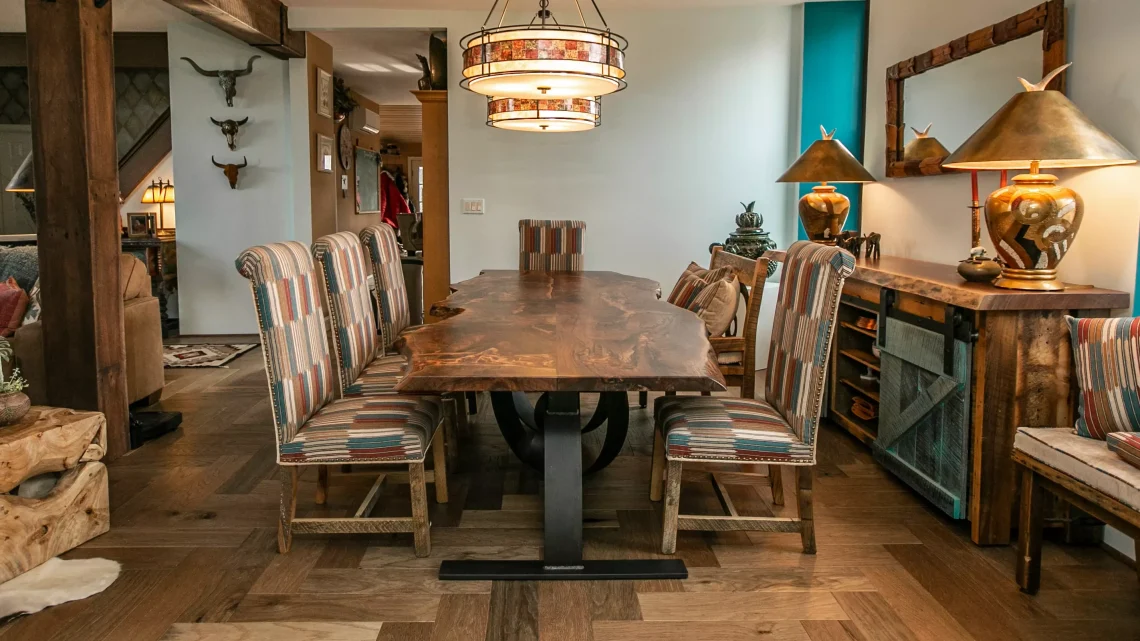
- Warm Wood and Cool Metal: A live-edge walnut slab paired with sleek, powder-coated black steel legs. It’s organic meets industrial, and the balance is stunning.
- Stone and Timber: A solid oak desk with an integrated river of polished concrete or marble. It feels grounded and luxurious at the same time.
- Glass and Natural Elements: A chunky, fluted glass tabletop on a natural timber base adds lightness and a touch of glamour without being overwhelming.
2. Hyper-Personalization: Beyond Just a Name
Sure, you can get your initials carved into a headboard. But the new wave of personalization goes much, much deeper. This is where your furniture becomes a true heirloom.
Imagine a bookshelf where the shelf heights are precisely calculated for your favorite art books and vinyl collection. Or a coffee table with a secret compartment mapped out for a specific remote control. Some artisans are even inlaying wood with fragments of sentimental items—a piece of a wedding dress, a map from a favorite vacation—creating a hidden narrative within the piece.
3. Smart Furniture That Actually Blends In
Technology in the home doesn’t have to look like it came from a spaceship. The trend is towards seamless integration. We’re talking about custom built-in furniture for smart homes.
A beautiful, handcrafted media console that discreetly houses all your tech, with built-in wireless charging pads and cable management so flawless it’s like magic. Or a bed frame with integrated, voice-controlled lighting and USB ports that are completely invisible. The goal is to have the functionality without sacrificing an ounce of style.
4. The Return of Artisanal Craftsmanship
There’s a growing appreciation for the marks of the maker. We’re seeing a demand for pieces that showcase the craft—the slight irregularities of hand-turned wood, the unique variations in hand-forged metal, the texture of a hand-applied finish. This trend, sometimes called “wabi-sabi,” celebrates imperfection and the human touch. It’s the difference between a perfectly smooth, lacquered table from a factory and one where you can still see the wood’s grain and feel its history.
How to Approach Your Custom Furniture Project
Okay, so you’re sold on the idea. But how do you actually start? It can feel daunting. Here’s a simple, no-stress approach.
- Gather Inspiration (Loosely): Start a Pinterest board or a folder of photos. Don’t look for the exact piece, but look for elements you love—a certain leg style, a color, a texture. This gives a maker a sense of your vibe.
- Function First: Write down exactly what this piece needs to do. How much storage? What dimensions? Who uses it? This is the most critical step.
- Find the Right Maker: Look for local cabinetmakers, carpenters, or metalworkers. Check their portfolios. Do their previous pieces speak to you? A good rapport is essential.
- Embrace the Collaboration: This isn’t a passive purchase. It’s a collaboration. Share your ideas and listen to their expertise on materials and structure. The best results come from this partnership.
A Quick Look at Popular Customization Options
| Feature | Customization Choices | Ideal For… |
|---|---|---|
| Materials | Solid wood (oak, walnut, maple), metals (steel, brass), glass, concrete, composites | Matching an existing aesthetic or creating a specific texture contrast. |
| Finishes | Stains, paints, limewash, oil, lacquer, natural wax | Controlling the color and feel—from high-gloss modern to matte and rustic. |
| Hardware | Handles, knobs, pulls, hinges (custom designs or curated selections) | Adding a “jewelry” element that can define the piece’s character. |
| Size & Shape | Fully bespoke dimensions, curved elements, atypical angles | Solving spatial puzzles and creating truly unique silhouettes. |
The Final Thought: Your Home, Your Narrative
In the end, furniture customization isn’t just about getting a perfect fit or a trendy look. It’s a conscious choice to surround yourself with objects that have meaning. It’s the slow, thoughtful process of co-creating something that didn’t exist before you imagined it.
That chair isn’t just for sitting. It’s the chair you designed for reading in the morning light. That table isn’t just for eating. It’s the table you built to gather friends around for years to come. In a world of noise, your home can be your quiet, personal statement. Why not make every piece count?


